Types of traps: which one, for which animal
Cage traps, foothold traps, body-grip traps, cable restraints, colony traps and rodent traps: how each one works, what it is for, and the sizes trappers use.
▶ Narrated lesson: watch it, or download the PowerPoint
Joe walks through this lesson, slide by slide, in about 16 minutes, ending with the 25-question test.
⬇ Download the PowerPoint ⬇ MP3 audio
The PowerPoint plays Joe's narration on every slide and moves on by itself.
✎ Take the test and earn your certificate: 25 questions on types of traps
These are the same 25 questions at the end of the video and the PowerPoint. Pick an answer for each, then press Check my answers. Score 80% or better (20 of 25) to print your certificate.
1. What should decide which trap you use?
2. What are trapping Best Management Practices (BMPs)?
3. What happens when an animal steps on the pan of a cage trap?
4. Why are cage traps best around houses and towns?
5. Why cover a cage trap with a cloth after a catch?
6. What does a foothold trap do?
7. What features make modern foothold traps easier on animals?
8. Which foothold sizes are common for coyotes?
9. What does a body-grip trap do?
10. Which body-grip size is used for beaver?
11. Which body-grip size is used for muskrat and mink?
12. Why do many states limit large body-grip traps on land?
13. What should you use when setting a 330 body-grip trap?
14. What do relaxing locks and stops on a cable restraint do?
15. Are cable restraints legal everywhere?
16. Where should you avoid setting cable restraints?
17. How does a dog-proof trap catch a raccoon?
18. Why can't dogs set off dog-proof traps?
19. What is a colony trap?
20. How should you set snap traps for rats and mice?
21. Which trap is a good choice for an opossum or skunk near a house?
22. Why dye and wax new traps?
23. Where should traps be stored?
24. Who decides which traps are legal where you live?
25. What can happen if a trap is too big for the animal you want?
Pick the right trap
- Match the trap to the animal you want
- Match the size: too small lets it escape; too big may catch other animals
- Think about pets, people and other animals nearby
- Use traps tested under trapping Best Management Practices
- Your state decides which traps are legal, and where
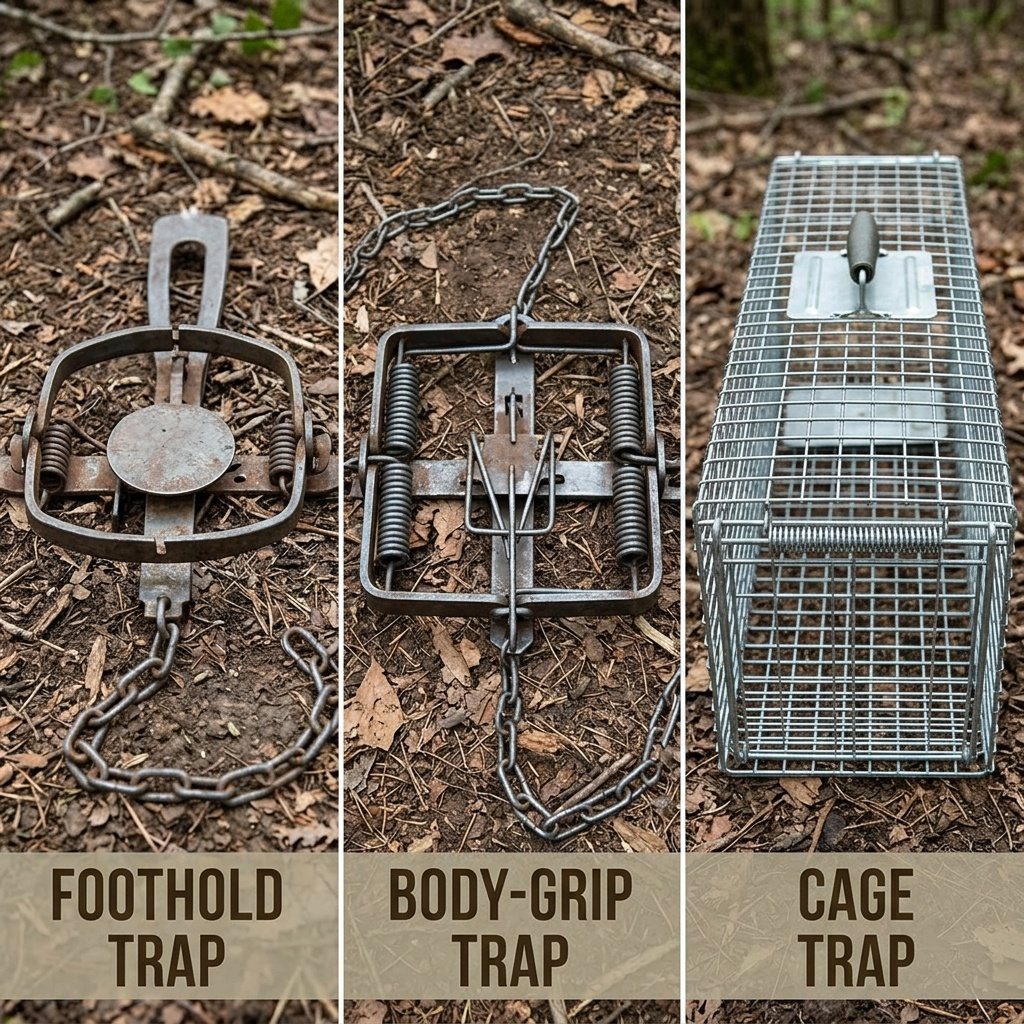
Cage traps (live traps)
- A wire box; the animal steps on a pan and the door shuts
- You can release pets or animals you didn't want
- Best around houses, barns and towns
- Raccoons, opossums, skunks, groundhogs, squirrels and feral cats
- Size it: small for squirrels, large for raccoons
- Cover it to calm the animal; check it often
Foothold traps
- Two jaws close on the foot and hold the animal alive
- Modern traps: offset, laminated or padded jaws, swivels and short chains
- Sized by number: #1 or #1.5 for fox and raccoon, #1.75 to #3 for coyote
- Used on land for canines, and in water for beaver and otter
- Hold the animal unhurt when set and anchored right
- Check early, and release what you don't want
Body-grip traps
- Two square frames snap shut and kill quickly
- Sized by number: 110 (muskrat, mink), 220 (raccoon, where legal), 330 (beaver)
- Mostly set in water, or in boxes and cubbies
- Many states limit large body-grip traps on land to protect pets
- Use the safety catch, and a setting tool for large sizes
- Learn to set them in a class: they can break fingers
Cable restraints and snares
- A loop of cable that holds an animal by the neck or body
- Cable restraints have relaxing locks and stops: they hold, not kill
- Used for coyotes and foxes, and for beaver in some states
- Legal in some states, banned or limited in others
- Many states require a special course before using them
- Set them where deer and livestock won't walk through
Dog-proof traps for raccoons
- A tube with a trigger deep inside
- A raccoon reaches in for bait and is held by the front foot
- Dogs and cats can't reach the trigger
- Great near farms and homes
- Bait with sweet baits, fish or corn, out of reach
Colony traps and rodent traps
- Colony trap: a wire tube in a muskrat run that catches several
- Set fully underwater where it's legal
- Rats and mice: snap traps, electronic traps and multi-catch traps
- Snap traps along walls, trigger toward the wall
- Keep rodent traps away from children and pets
Buying and caring for traps
- Buy from trapping supply companies, or used from retired trappers
- Check that springs, jaws, pans and chains work smoothly
- Clean new traps, then dye and wax them to stop rust
- Tag every trap with your name or ID
- Store them clean and dry, away from gas and chemicals
More guides

Trapping 101
Start here: what trapping is, the laws, the animals and your first steps.
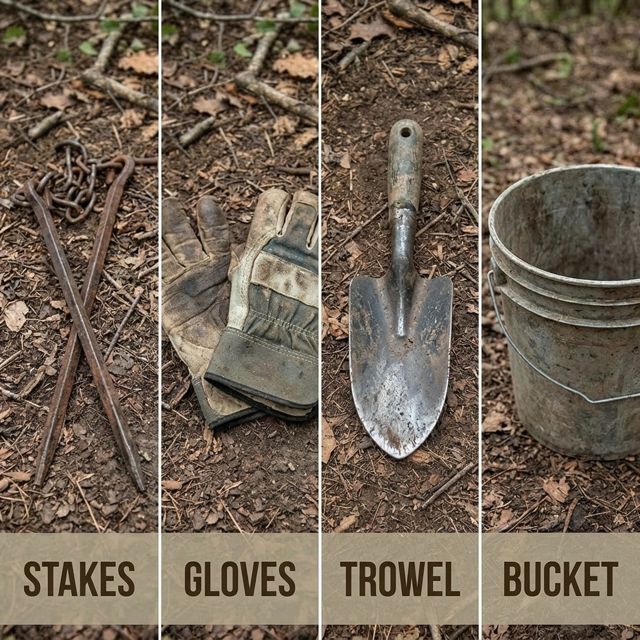
Trapping gear and tools
Stakes, gloves, tools, baits, lures and what a beginner really needs.
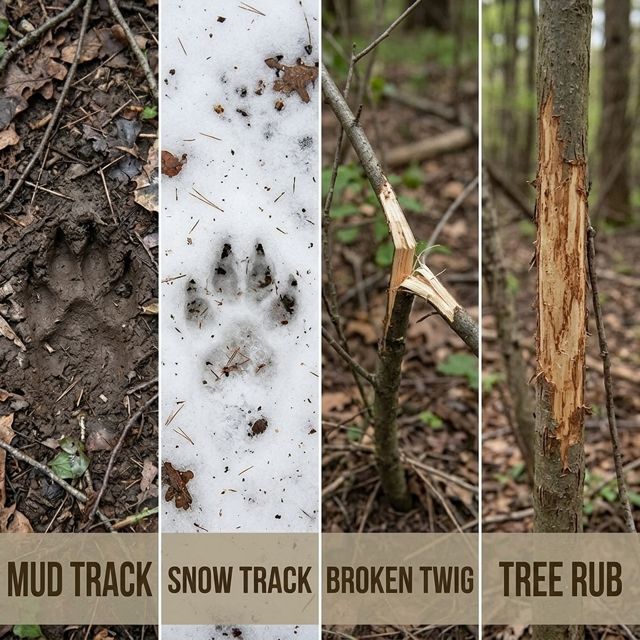
Tracks and sign
Read tracks, droppings, trails and dens to find the perfect spot.
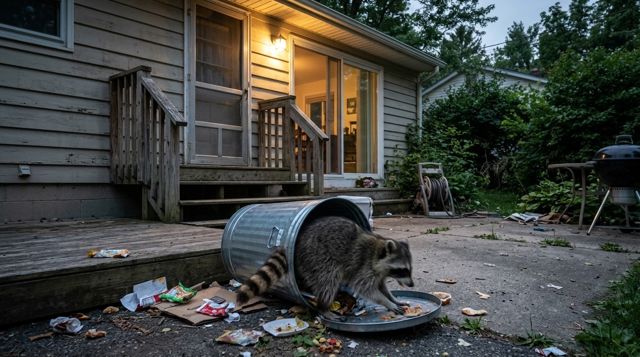
Nuisance animals around the home
Raccoons in the attic, skunks under the porch: keep them out or live-trap them.
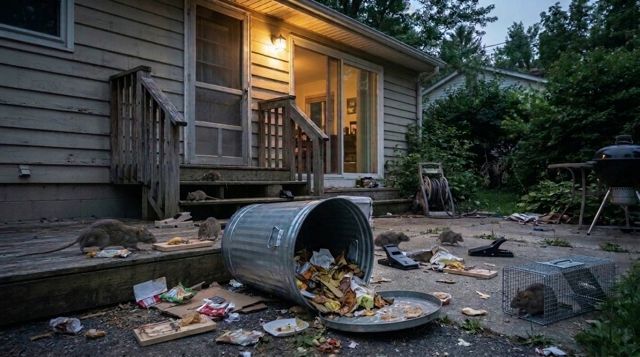
Rats and mice
Seal them out, set snap traps the right way, and clean up safely.
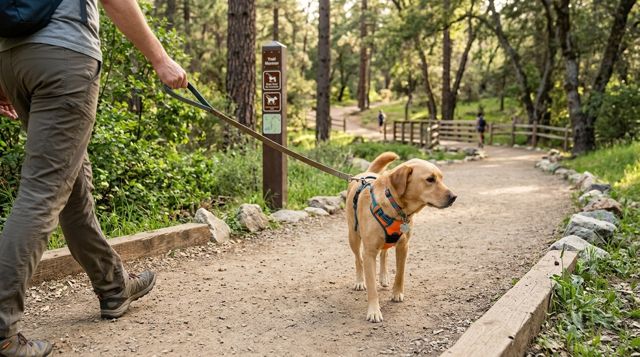
Trapping safety and pets
Diseases, water and ice, avoiding pets, and how to release a dog from a trap.
Sources
Checked November 25, 2026.