Trapping safety: protect yourself, pets and other animals
Diseases you can catch, setting body-grip traps safely, water and ice, avoiding pets and other animals, and how to release a dog from a foothold, a body-grip trap or a cable restraint.
▶ Narrated lesson: watch it, or download the PowerPoint
Joe walks through this lesson, slide by slide, in about 14 minutes, ending with the 25-question test.
⬇ Download the PowerPoint ⬇ MP3 audio
The PowerPoint plays Joe's narration on every slide and moves on by itself.
✎ Take the test and earn your certificate: 25 questions on trapping safety and pets
These are the same 25 questions at the end of the video and the PowerPoint. Pick an answer for each, then press Check my answers. Score 80% or better (20 of 25) to print your certificate.
1. Which animals commonly carry rabies?
2. How can tularemia enter your body?
3. How does leptospirosis spread?
4. Where is raccoon roundworm found?
5. What should you tell your doctor if you get sick after trapping?
6. An animal is acting strangely tame or staggering. What should you do?
7. What should you do first after an animal bite or scratch?
8. Is rabies treatment after a bite effective?
9. What should you always use when setting a body-grip trap?
10. Which body-grip size can break your arm?
11. What is the most dangerous kind of trapping?
12. Why wear a wading belt with waders?
13. How thick should clear ice be before you walk on it?
14. What should you carry on the ice?
15. Near homes, which trap is a good choice for raccoons?
16. What does adjusting pan tension on a foothold do?
17. First step in releasing a dog from a foothold trap?
18. Why cover the dog's head with a coat?
19. How do you open a foothold trap?
20. Why is a body-grip catch on a dog urgent?
21. If you can't compress a body-grip spring by hand, what can help?
22. How do you free a dog from a cable restraint?
23. Who should know where your trapline is?
24. Why keep a log of every set?
25. Why watch the weather?
Diseases from wild animals
- Rabies: raccoons, skunks, foxes, bats; spread by bites and saliva
- Tularemia: rabbits, muskrats, beaver; through cuts and ticks
- Leptospirosis: urine of raccoons, rats and others, in water
- Raccoon roundworm: in raccoon droppings
- Ticks and fleas: Lyme disease and more
- Gloves, clean hands, and a doctor if you get sick
Rabies: what to do
- Never handle an animal acting strangely tame, aggressive or staggering
- Any bite or scratch: wash with soap and water for 15 minutes
- Call your doctor or health department right away
- Keep your dogs and cats vaccinated
- Report sick-acting animals to animal control or your wildlife agency
Setting body-grip traps safely
- Always use the safety catch until the trap is in place
- Use a setting tool for 220 and 330 sizes
- Never put your hands or arms inside the jaws
- Keep your face out of the way
- Set them only where pets can't reach, as your state allows
Water and ice
- Water trapping is the most dangerous trapping
- Never wade fast, deep or murky water
- Waders full of water can pull you under: wear a wading belt
- Stay off ice unless you know it's at least 4 inches of clear ice
- Carry ice picks and a rope; trap with a partner
- Cold water: get out and get warm fast
Avoid catching pets and other animals
- Ask the landowner where dogs and cats roam
- Avoid trails, yards and roads where people walk dogs
- Dog-proof traps for raccoons near homes
- Body-grips underwater or in enclosures, as allowed
- Use the right trap size, and pan tension on footholds
- Set cable restraints where deer and livestock won't walk
Releasing a dog from a body-grip or cable
- Body-grip: act fast; it presses on the neck
- Compress both springs, using a leash or rope through the spring eyes if needed
- Set the safety catches, then open the jaws
- Cable restraint: loosen the lock or cut the cable with cable cutters
- Learn this before you need it; trappers associations show how
Tell someone, and be ready
- Tell someone where your trapline is and when you'll be back
- Carry a phone, first aid kit and a headlamp
- Cable cutters, and tools to open every trap you use
- Keep a log of every set and its location
- Watch the weather: storms and floods move fast
More guides
Trapping 101
Start here: what trapping is, the laws, the animals and your first steps.
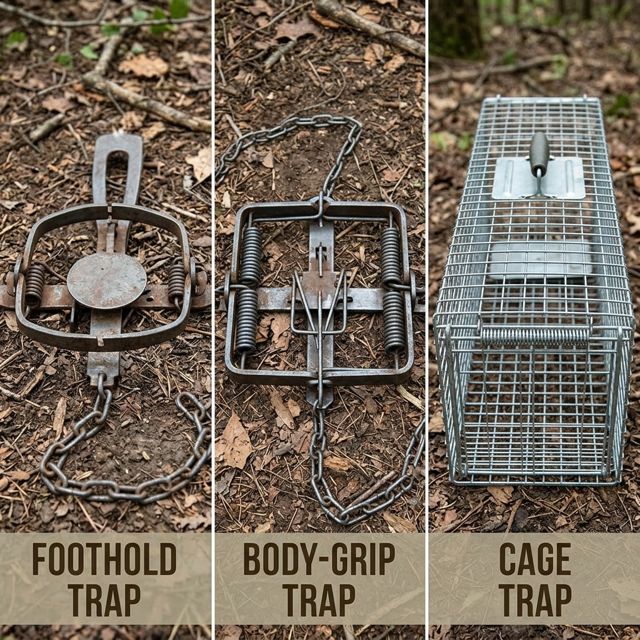
Types of traps
Cage, foothold, body-grip, cable restraint and dog-proof traps, and which to use.
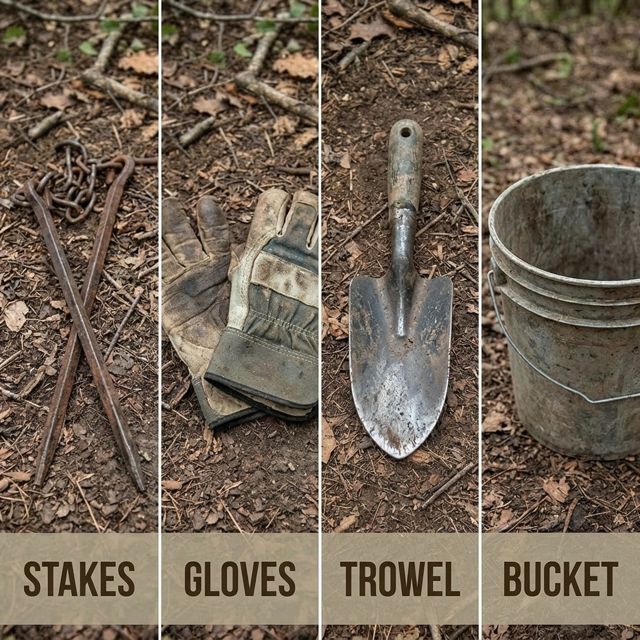
Trapping gear and tools
Stakes, gloves, tools, baits, lures and what a beginner really needs.
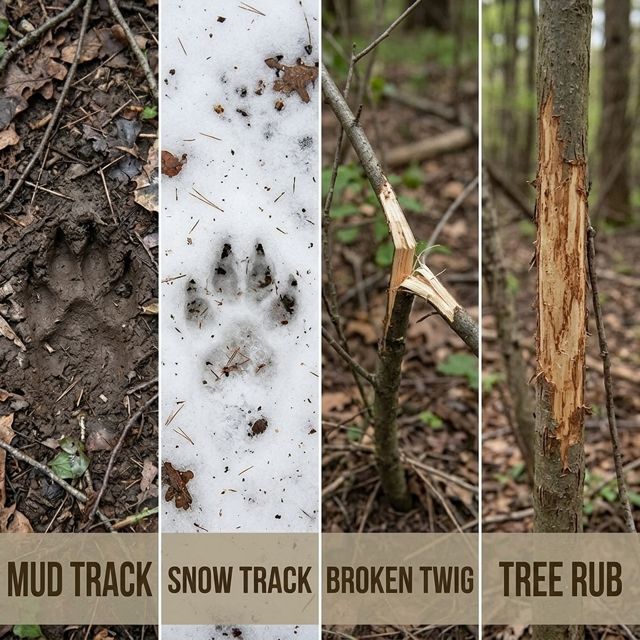
Tracks and sign
Read tracks, droppings, trails and dens to find the perfect spot.
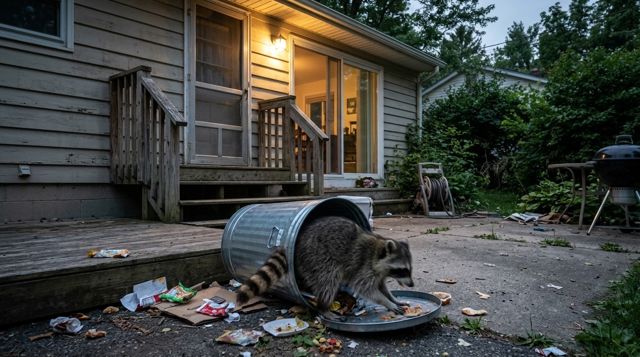
Nuisance animals around the home
Raccoons in the attic, skunks under the porch: keep them out or live-trap them.
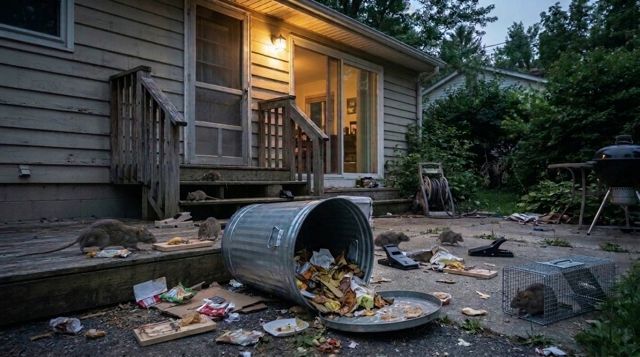
Rats and mice
Seal them out, set snap traps the right way, and clean up safely.
Sources
Checked November 25, 2026.