Trapping 101: how to get started the right way
What trapping is, why people still do it, the animals you can trap, the laws you must follow, and the first steps to running your own traps, legally, safely and humanely.
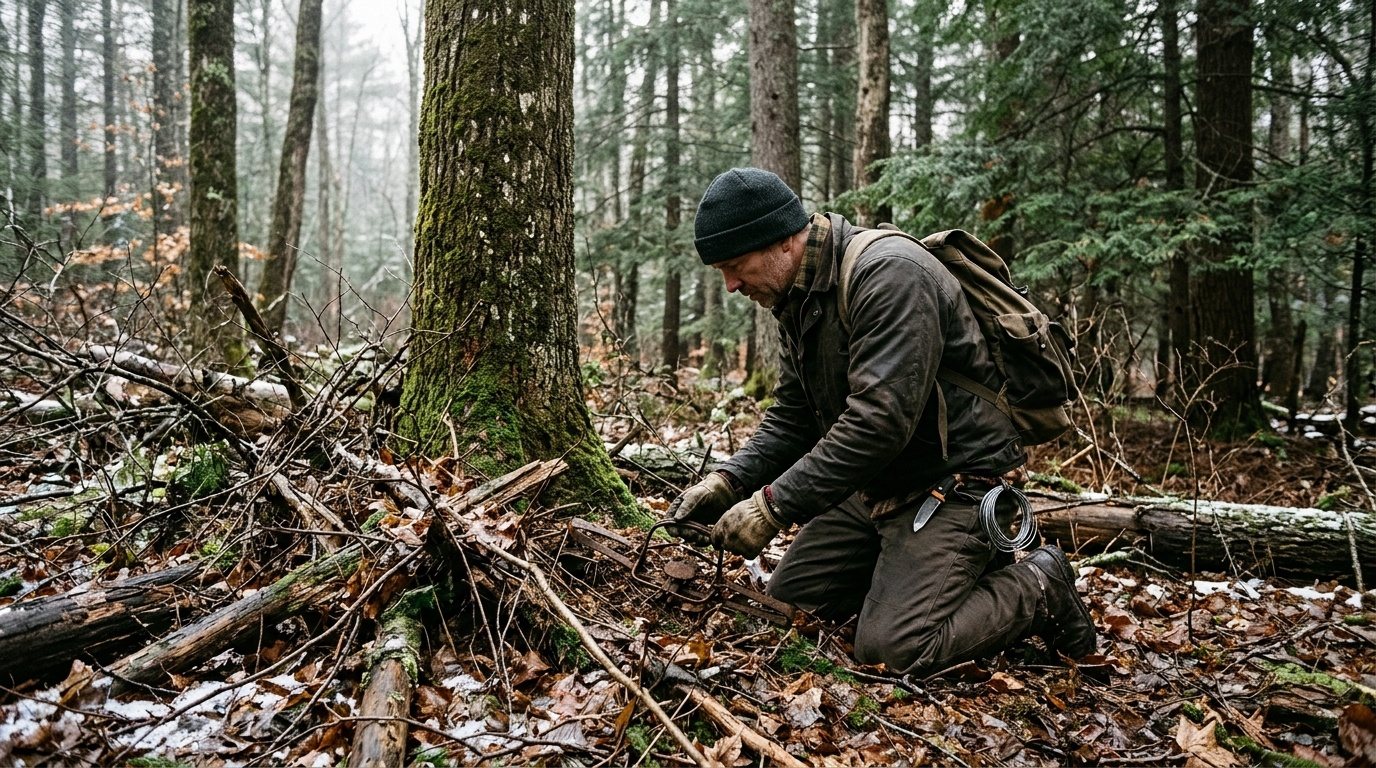
Welcome to Trap Critical
Trap Critical teaches trapping in plain English: the laws, the traps, the sets, the animals, safety, and what to do with your catch. Whether you are a landowner with a raccoon in the barn, a rancher losing calves to coyotes, a prepper learning to feed your family, or a new trapper, start with the free guides below. Every guide has a narrated video, a PowerPoint that plays by itself, and a 25-question test with a certificate.
Start with these free guides
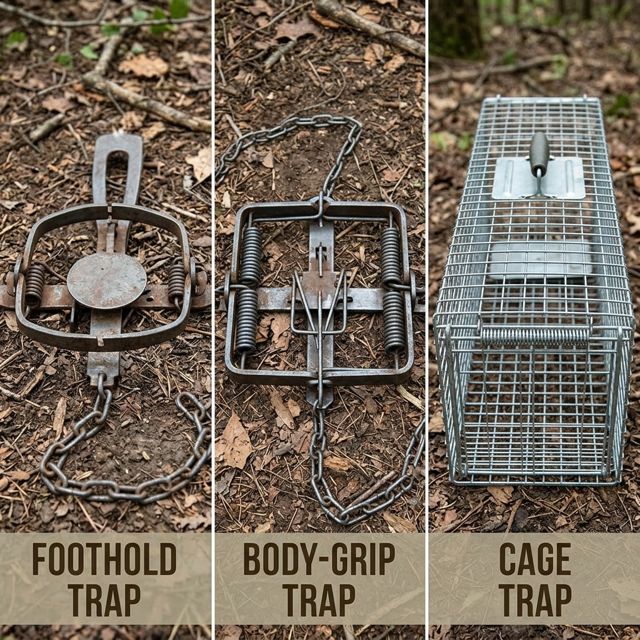
Types of traps
Cage, foothold, body-grip, cable restraint and dog-proof traps, and which to use.
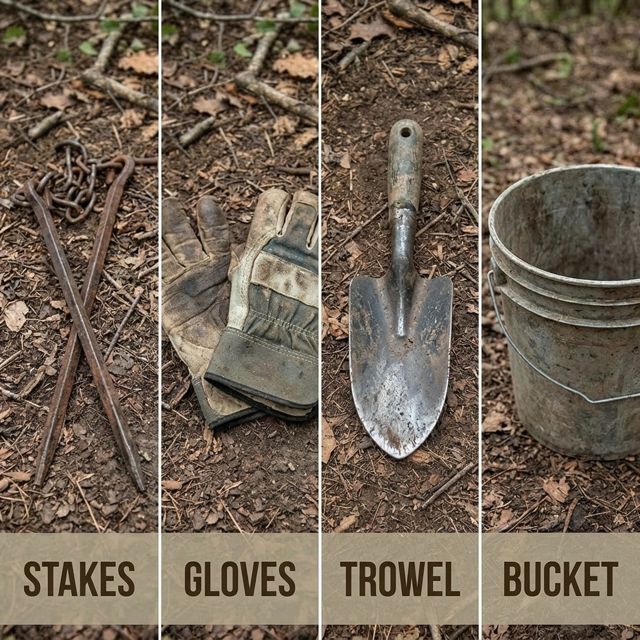
Trapping gear and tools
Stakes, gloves, tools, baits, lures and what a beginner really needs.
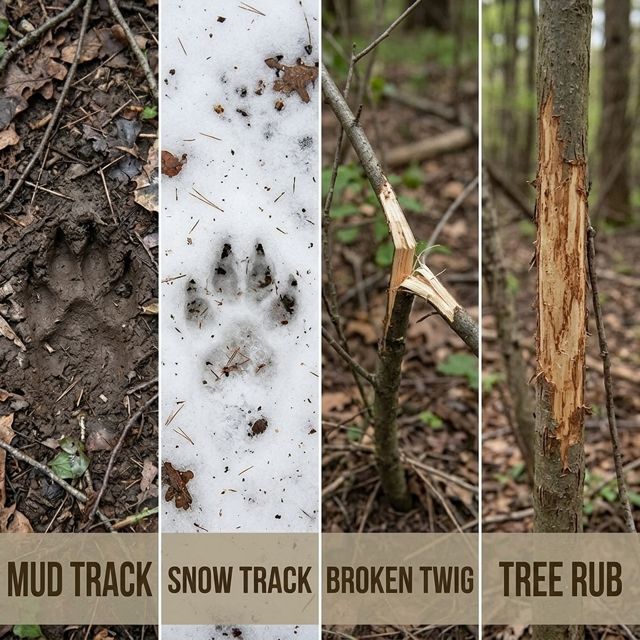
Tracks and sign
Read tracks, droppings, trails and dens to find the perfect spot.
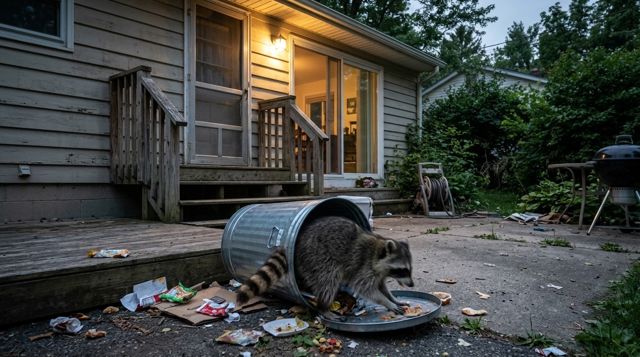
Nuisance animals around the home
Raccoons in the attic, skunks under the porch: keep them out or live-trap them.
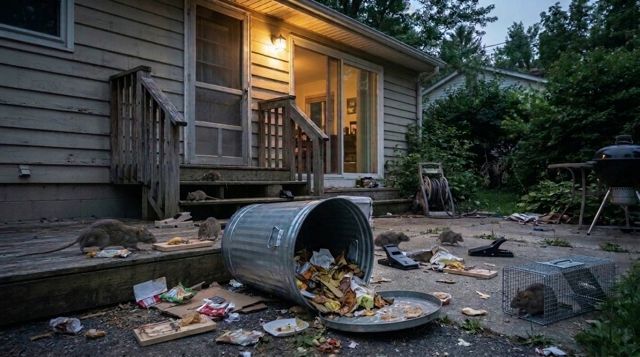
Rats and mice
Seal them out, set snap traps the right way, and clean up safely.
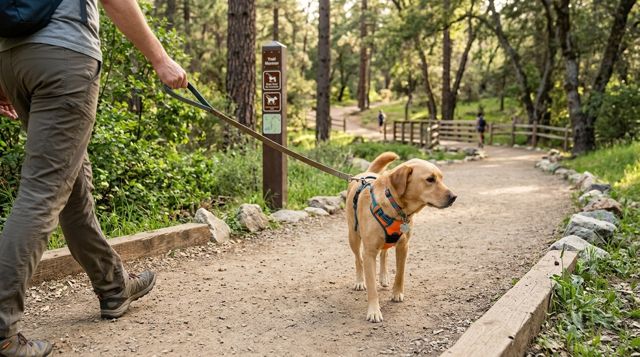
Trapping safety and pets
Diseases, water and ice, avoiding pets, and how to release a dog from a trap.
Members guides
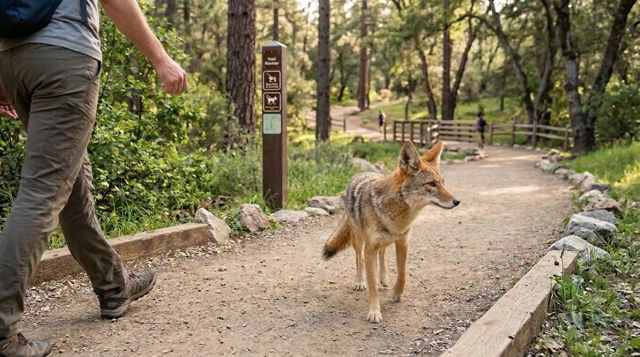
Coyote and fox trapping 🔒
Dirt hole, flat and trail sets for the smartest animals you will trap.
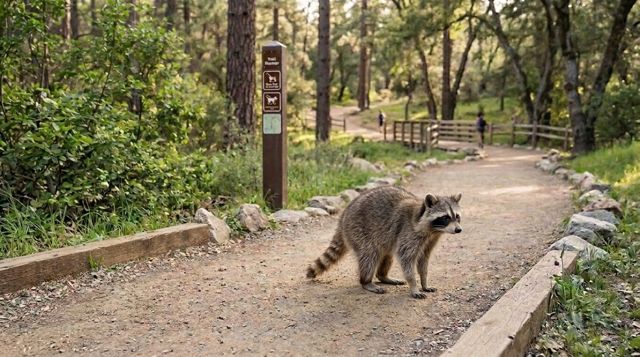
Raccoon and opossum trapping 🔒
Dog-proof traps, pocket sets at the water and cubby sets for raccoons.
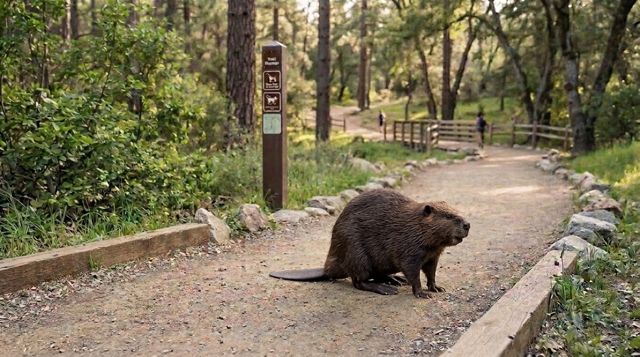
Beaver trapping and control 🔒
Dams, runs and castor mounds: body-grip and foothold sets for beaver.
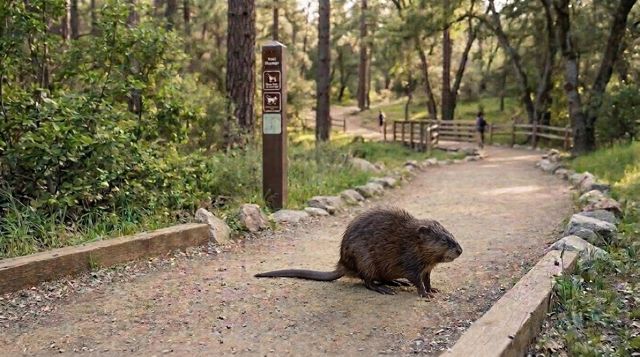
Muskrat and mink trapping 🔒
The classic beginner water animal and the prize of the creek.
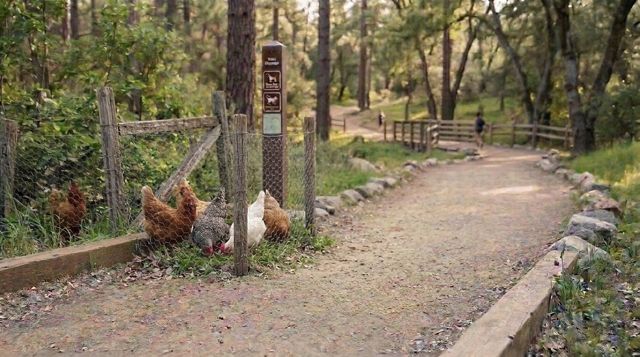
Protecting livestock and poultry from predators 🔒
Read the kill, protect chickens and livestock, and trap the problem animal.
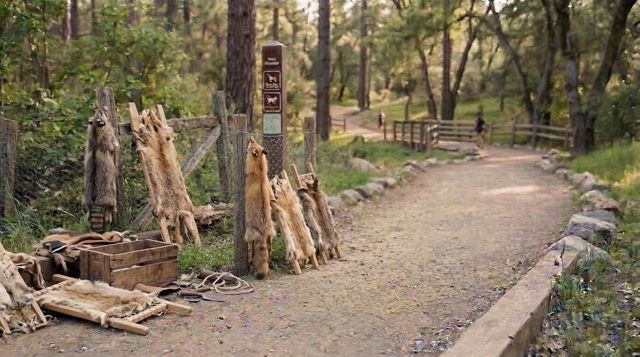
Skinning and fur handling 🔒
Cool, skin, flesh, stretch and dry fur, then sell or tan it.
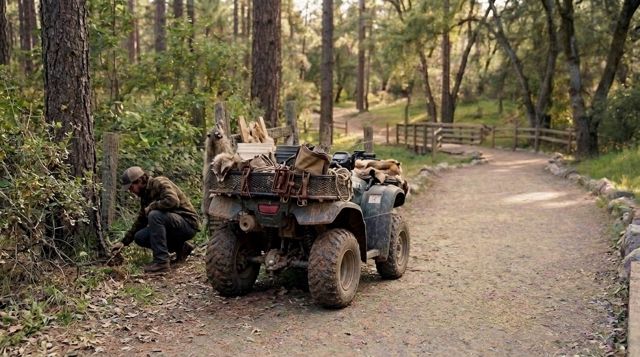
Running a trapline, and survival trapping 🔒
Plan a line, keep records, check daily, and survival trapping that works.
▶ Narrated lesson: watch it, or download the PowerPoint
Joe walks through this lesson, slide by slide, in about 17 minutes, ending with the 25-question test.
⬇ Download the PowerPoint ⬇ MP3 audio
The PowerPoint plays Joe's narration on every slide and moves on by itself.
✎ Take the test and earn your certificate: 25 questions on trapping 101
These are the same 25 questions at the end of the video and the PowerPoint. Pick an answer for each, then press Check my answers. Score 80% or better (20 of 25) to print your certificate.
1. What is trapping?
2. What is a furbearer?
3. An animal isn't on your state's list of legal species. Can you trap it?
4. Which is a common reason people trap?
5. Why do beaver trappers matter to roads and ponds?
6. How often must traps be checked?
7. What must most states require on each trap?
8. Whose permission do you need to trap on private land?
9. Why read your state's regulations booklet every year?
10. What does a trapper education course teach?
11. Which trap is a live trap you can release animals from?
12. What does a foothold trap do?
13. What does a body-grip trap do?
14. Where is a colony trap used?
15. What is a trail set?
16. What is a bait or lure set?
17. Why bed a trap solidly in the ground?
18. Why wear gloves when setting traps?
19. Which diseases can wild animals pass to people?
20. What is part of trapper ethics?
21. Why keep sets out of public view?
22. What are signs that tell you where to set?
23. What should you tell someone before you run your trapline?
24. What's the best way for a beginner to start?
25. What is the first step in getting started?
What trapping is, and why people trap
- Catching wild animals with legal traps, under state rules
- Fur, food, and a traditional outdoor skill
- Protecting livestock, poultry, crops, ponds and roads
- Removing problem animals from homes and barns
- A wildlife management tool every state regulates
Furbearers and nuisance animals
- Furbearers: raccoon, coyote, red and gray fox, beaver, muskrat, mink, opossum, skunk
- Some states: bobcat, otter, fisher and marten, often with special tags
- Nuisance animals: groundhogs, squirrels, rats and mice
- Protected animals can never be trapped
- Not on your state list? You can't trap it
The law comes first
- A trapping license, in most states
- Open seasons, and legal species
- Which traps and sizes are allowed, and where
- Trap tags with your name or ID number
- How often you must check your traps
- Written landowner permission
Take a trapper education course
- Many states require one for new trappers
- Covers laws, ethics, traps, safety and fur handling
- Taught by state agencies and trappers associations
- Often free; some are online with a field day
- The fastest way to learn from experienced trappers
Trapper ethics
- Check traps as often as the law requires, and early in the day
- Use the right trap, sized for the animal you want
- Set to avoid pets, deer, birds and other animals
- Keep sets out of public view
- Dispatch quickly and humanely; use what you take
- Leave the land better than you found it
How a trap catches
- Animals follow the same paths, day after day
- A trail set: the trap goes where the animal will step
- A bait or lure set: food or scent draws it to the trap
- Bed the trap solid so it doesn't wobble
- Clean traps and gloves keep human scent down
- Read the sign: tracks, droppings, trails and slides
Stay safe
- Wear gloves: wild animals carry rabies, tularemia and other diseases
- Never handle a live animal by hand
- Carry a catch pole, and know how to release a pet
- Water trapping: watch for deep water, thin ice and cold
- Tell someone where your trapline is, and when you will be back
- Carry a phone and a first aid kit
More guides
Types of traps
Cage, foothold, body-grip, cable restraint and dog-proof traps, and which to use.
Trapping gear and tools
Stakes, gloves, tools, baits, lures and what a beginner really needs.
Tracks and sign
Read tracks, droppings, trails and dens to find the perfect spot.
Nuisance animals around the home
Raccoons in the attic, skunks under the porch: keep them out or live-trap them.
Rats and mice
Seal them out, set snap traps the right way, and clean up safely.
Trapping safety and pets
Diseases, water and ice, avoiding pets, and how to release a dog from a trap.
Sources
Checked November 25, 2026.