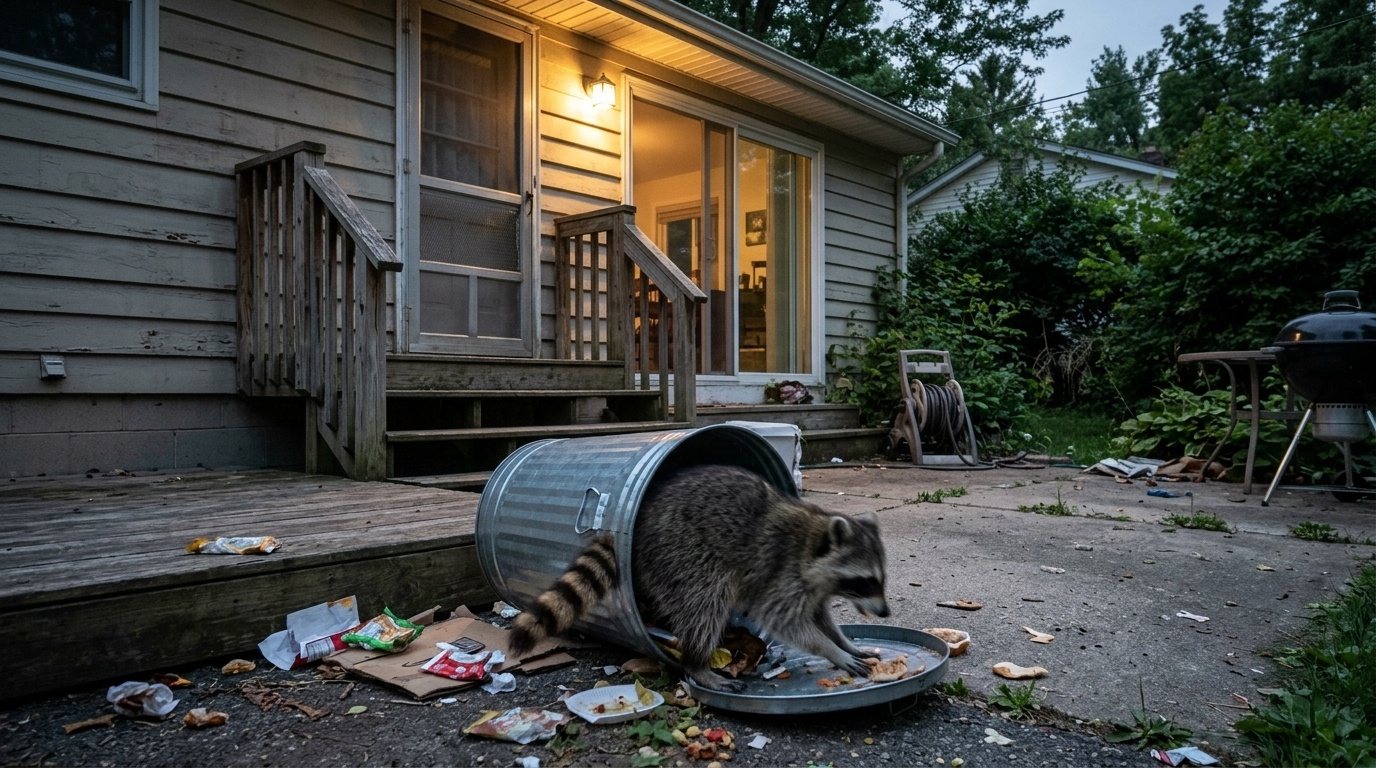
Nuisance animals: raccoons, skunks, opossums and groundhogs
When an animal moves into the attic, under the porch or into the chicken house: how to tell who it is, keep it out, live-trap it legally, and what to do with it once it is caught.
▶ Narrated lesson: watch it, or download the PowerPoint
Joe walks through this lesson, slide by slide, in about 14 minutes, ending with the 25-question test.
⬇ Download the PowerPoint ⬇ MP3 audio
The PowerPoint plays Joe's narration on every slide and moves on by itself.
✎ Take the test and earn your certificate: 25 questions on nuisance animals around the home
These are the same 25 questions at the end of the video and the PowerPoint. Pick an answer for each, then press Check my answers. Score 80% or better (20 of 25) to print your certificate.
1. Noises in the attic at night with torn shingles usually mean which animal?
2. Digging under a porch with a strong smell usually means which animal?
3. Big burrows with a dirt mound in the garden usually mean which animal?
4. Daytime chewing in the attic and on wires usually means?
5. What's the best first step to keep animals away?
6. What should you use to seal holes and vents against raccoons?
7. Why close chicken houses at dusk?
8. Why do many states ban moving wild animals to a new place?
9. Which animals are protected and shouldn't be trapped as nuisances?
10. Who can you hire if you're unsure of the rules?
11. Where do you put the bait in a cage trap?
12. Why set a cage trap level and steady?
13. How often should you check a live trap?
14. Which bait works well for raccoons?
15. Which bait works well for groundhogs?
16. If you want to avoid catching cats, which baits should you avoid?
17. How do you avoid being sprayed by a trapped skunk?
18. Why should you never touch a skunk?
19. Why be careful trapping in spring and early summer?
20. What does a one-way door do?
21. What should you do before sealing an entry hole?
22. Why do raccoon latrines need careful cleanup?
23. What should you do if you catch a pet?
24. An animal is staggering or strangely tame. What should you do?
25. What should you do after handling a trap?
First, who is it?
- Attic noises at night, torn shingles or vents: raccoon
- Digging under porches and sheds, strong smell: skunk
- Under the house or in the trash, slow and gray: opossum
- Big burrows in the yard or garden: groundhog
- Daytime chewing in attics and on wires: squirrels
- A trail camera will tell you for sure
Prevention beats trapping
- Lock up trash, and feed pets indoors
- Pick up fallen fruit, bird seed and spilled grain
- Close chicken houses at dusk with predator-proof latches
- Seal holes and vents with heavy hardware cloth
- Trim tree limbs away from the roof
- No food and no shelter means no animals
Check the law first
- Many states treat raccoons, skunks and opossums as furbearers
- Some allow landowners to trap nuisance animals without a license
- Many states ban moving wild animals to new places
- Some species are protected: bats, many birds
- Hire a licensed wildlife control operator if unsure
- Call your state wildlife agency for the rules
Skunks without the smell
- Cover the trap with a tarp or blanket before you set it
- Approach slowly and quietly, talking softly
- A skunk that can't see you, and can't raise its tail, rarely sprays
- Move the covered trap slowly; no jerking
- Skunks are a rabies carrier: never touch one
Animals in the attic or under the porch
- Baby season: spring and early summer; don't trap mothers away from young
- A one-way door lets animals out but not back in
- Check for babies before sealing any hole
- Seal entry points after the animals are gone
- Attic latrines need careful cleanup: hire a pro for big messes
After the catch
- Never put fingers through the cage
- Keep children and pets away
- Release non-targets, like pets, right away
- Follow your state's rules: release on site, or humane dispatch
- Sick-acting animals: call animal control or your wildlife agency
- Wash the trap and your gloves
More guides
Trapping 101
Start here: what trapping is, the laws, the animals and your first steps.
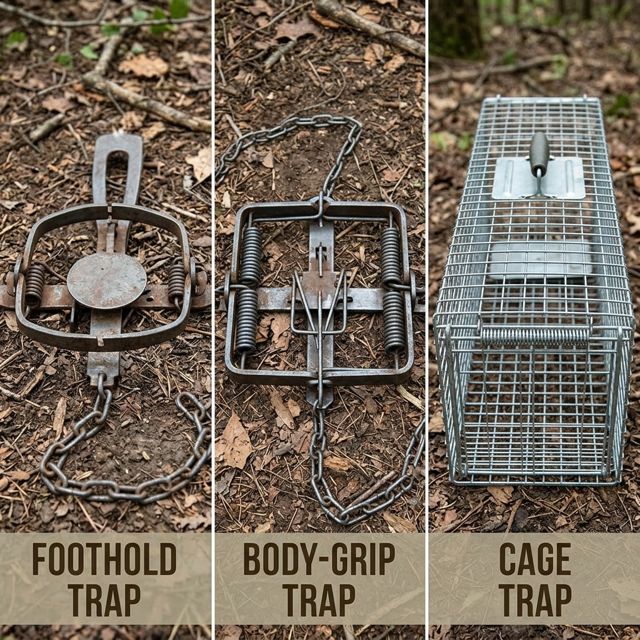
Types of traps
Cage, foothold, body-grip, cable restraint and dog-proof traps, and which to use.
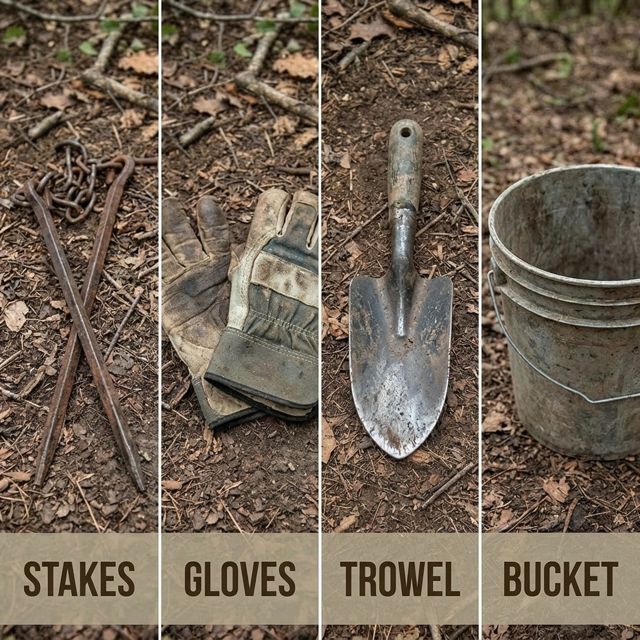
Trapping gear and tools
Stakes, gloves, tools, baits, lures and what a beginner really needs.
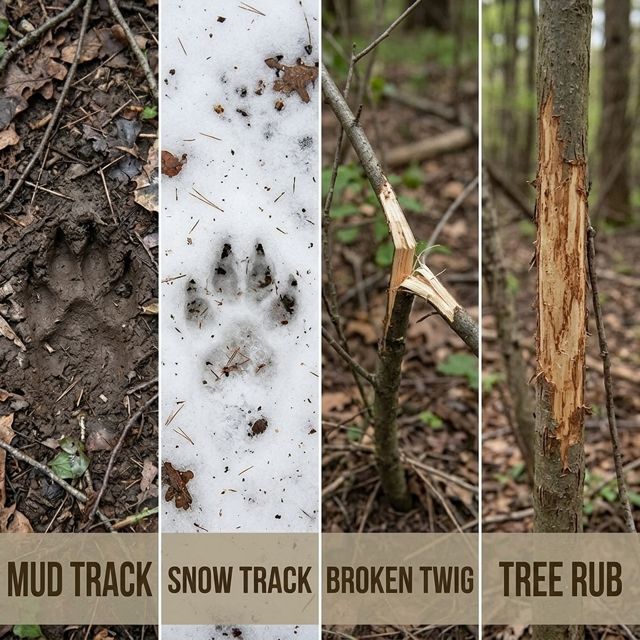
Tracks and sign
Read tracks, droppings, trails and dens to find the perfect spot.
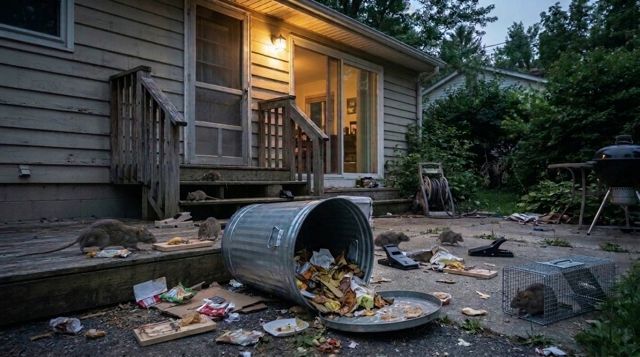
Rats and mice
Seal them out, set snap traps the right way, and clean up safely.
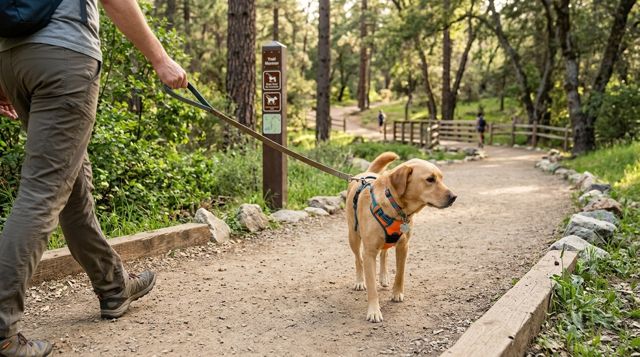
Trapping safety and pets
Diseases, water and ice, avoiding pets, and how to release a dog from a trap.
Sources
Checked November 25, 2026.